Waking up in the morning, you see a fine thread drifting across your vision. Looking at a white wall or the sky, dark spots or insect-like shapes float here and there… These “eye floaters” trouble many people. Most immediately think: Is my eye aging? Is there a problem with my retina? So they try eye drops, nutritional supplements, even laser treatment – yet those stubborn floaters continue to drift in their field of vision.
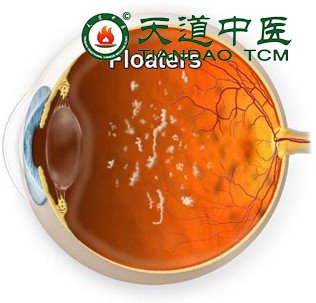
In fact, in many cases, the root cause of floaters is not the eye itself, but the cervical spine. This is not a new discovery, but an objective fact supported by both modern clinical observation and classical TCM theory.
From a TCM perspective, the Yellow Emperor’s Inner Canon – Spiritual Pivot – Great Confusion clearly states: “The essential qi of the five zang and six fu organs all flow upward to the eyes as their essence… then exit through the nape.” This reveals two core facts: first, eye function depends on the upward flow of essential qi from the whole body; second, the pathway for this qi to reach the eyes must pass through the neck and nape.
When the cervical spine – due to chronic head-down posture, improper alignment, degeneration, etc. – develops vertebral displacement, muscle and fascia adhesions, it compresses the meridians traveling through it (especially the Liver, Gallbladder, and Bladder meridians) and the vertebral artery. Imagine a pipe delivering clean water being pinched from the outside – no matter how much water is upstream, it cannot reach the destination. Essential qi cannot ascend to nourish the eyes; the eye orifices lose their nourishment; vitreous metabolism becomes disordered; turbid qi fails to descend – and thus condenses into floating black shadows: “floaters.”
Modern medicine similarly finds that vertebral artery-type cervical spondylosis and sympathetic-type cervical spondylosis can cause vertebrobasilar insufficiency, directly affecting ocular blood supply and nerve regulation. Reduced blood flow and accumulation of metabolic waste increase the risk of vitreous opacities. Many patients with floaters but normal eye exams ultimately have their root cause in the cervical spine.
If the root cause lies in the cervical spine, then simply using eye drops or taking liver-nourishing and vision-brightening herbs will have limited effect. TCM’s wisdom is to “treat the root cause” – and where is that root? In the blockage of the neck passageway.
Qiteng Therapy is a systematic external treatment developed precisely from this innovative TCM concept. It does not directly target the eyeball; instead, it focuses treatment on the cervical spine and upper back. Through a combined sequence of “steaming, steaming, baking, soaking, resolving, and unblocking,” it achieves the following:
Sustained, stable warm herbal energy penetrates deep into muscles, fascia, and ligaments – relaxing spasms, loosening adhesions, and reducing mechanical pressure on the vertebral artery and nerve roots.
Through transdermal absorption of herbal ingredients at key acupoints on the neck and back (e.g., Fengchi GB20, Dazhui GV14, Jianjing GB21), it opens the Liver, Gallbladder, and Bladder meridians – restoring the pathway for qi and blood to flow upward to the eyes.
Broken-down inflammatory metabolites, fibrotic adhesions, and other metabolic wastes are expelled through dilated pores, forming scabs that later shed naturally. This is not a “detox” gimmick – it is a genuine reconstruction of metabolic pathways.
Simply put, Qiteng Therapy does not “repair the eye” – it repairs the pathway to the eye. When the pathway is open, qi and blood naturally arrive. With sufficient nourishment to the eyes, those floaters caused by hypoxia, ischemia, and metabolic disturbances will gradually fade or resolve.
Qiteng Therapy is not designed for just one type of cervical spine disorder. Its original intention is to holistically regulate multiple types of cervical spondylosis caused by degenerative changes, chronic strain, or post-traumatic sequelae – including but not limited to:
Vertebral artery-type cervical spondylosis (dizziness, blurred vision, floaters due to insufficient blood supply)
Sympathetic-type cervical spondylosis (dry eyes, light sensitivity, eye pain due to autonomic nerve dysfunction)
Cervical-type cervical spondylosis (neck stiffness, restricted movement)
Nerve root-type cervical spondylosis (numbness and radiating pain in the upper limbs, accompanied by eye discomfort)
By relaxing soft tissue adhesions in the neck and upper back, improving local circulation, and restoring spinal biomechanical balance, Qiteng Therapy can help alleviate the various symptoms arising from the above types of cervical spondylosis – including the troubling floaters and dry eye syndrome.
The value of Qiteng Therapy lies in its deep implementation of TCM’s “holistic concept” and “meridian theory.” It does not treat the head for a headache or the foot for a foot pain – instead, it identifies an inevitable connection through meridians and qi-blood between seemingly unrelated areas: the eye and the cervical spine.
This conceptual innovation is reflected in two specific aspects:
Innovation in understanding the cause:
It extends the cause of common eye conditions like floaters and dry eye – traditionally attributed to “ocular surface problems” or simple “liver blood deficiency” – to include meridian pathway obstruction caused by cervical spine pathology. This deepens and lengthens the chain of causation.
Innovation in treatment approach:
Rather than taking the long route of “oral medication → bloodstream → reaching the eye,” Qiteng Therapy delivers herbs through transdermal absorption on the neck and back, acting directly on the lesion and the pathway – potentially offering faster action and less systemic interference.
Disclaimer:
This content is a summary of clinical experience and observations from TianDao Traditional Chinese Medicine over many years. It is intended for patient education, public awareness, and scientific exchange. It does not constitute a guarantee of cure, safety, or efficacy for any condition, nor is it a promotional promise.
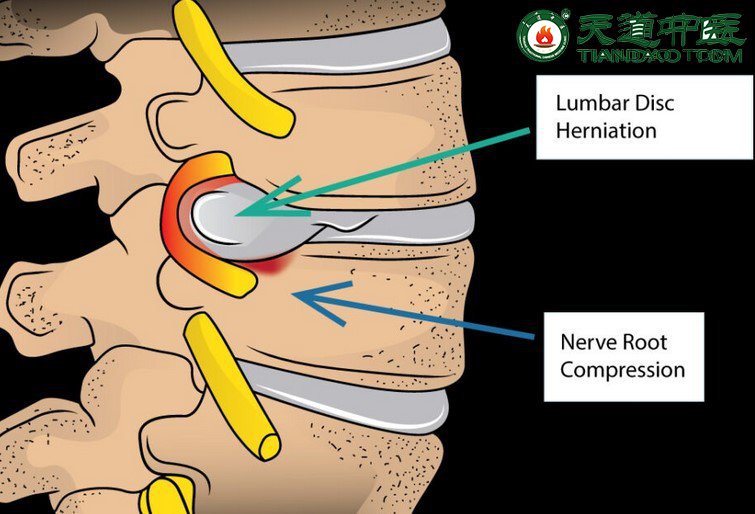
Rediscovering ancient formulas: building a new theory of "visualizable external treatment"
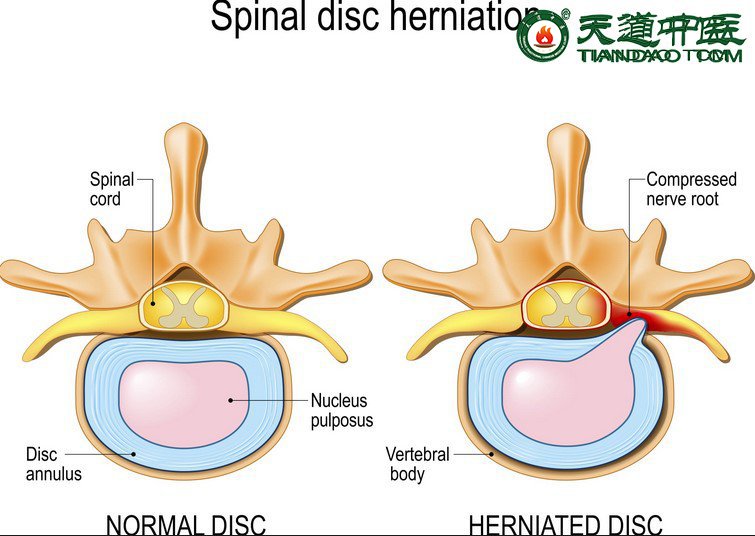
Following the body's natural rhythm: activating the body's built‑in "repair factory"
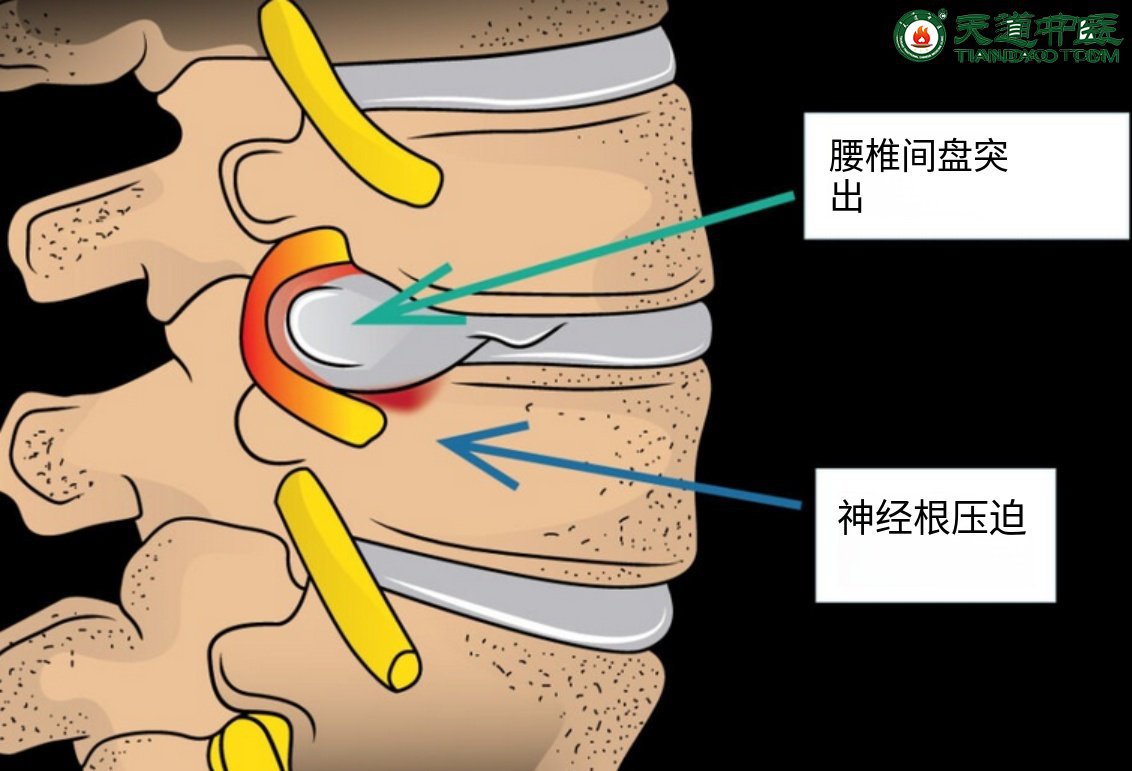
汽熥疗法的本质:高温中药+精准给药的外治组合
汽熥疗法:以“外治之法”解“内腑之忧”
 中国·青岛·东海中路30号3F(银海大世界院内)
  全国咨询服务热线:0532-8593-1919
  天道中医公众号
 天道中医微信