When your eyes “alarm,” your cervical spine may be “calling for help” – A new perspective on treating eye conditions via the neck
The neck-eye connection – a deep, often ignored link
Dry eyes, blurred vision, floaters… these seemingly eye-specific symptoms may hide a commonly overlooked health issue – the cervical spine. With modern lifestyles of prolonged sitting, looking down at devices, and screen time, cervical spine problems are increasingly common, and the resulting eye discomfort is gaining attention.
The neck-eye connection – a deep, often ignored link
“The essential qi of the five zang and six fu organs all flow upward to the eyes as their essence… then exit through the nape.” – Yellow Emperor’s Inner Canon – Spiritual Pivot This classic statement reveals the close relationship between the eyes and the neck. From a TCM perspective, the liver opens into the eyes, and liver blood nourishes the eyes via meridians. The cervical spine is a key channel for liver and gallbladder meridian qi to ascend. When neck meridians are obstructed, the vital qi that should nourish the eyes is blocked, leading to eye dryness and dysfunction.
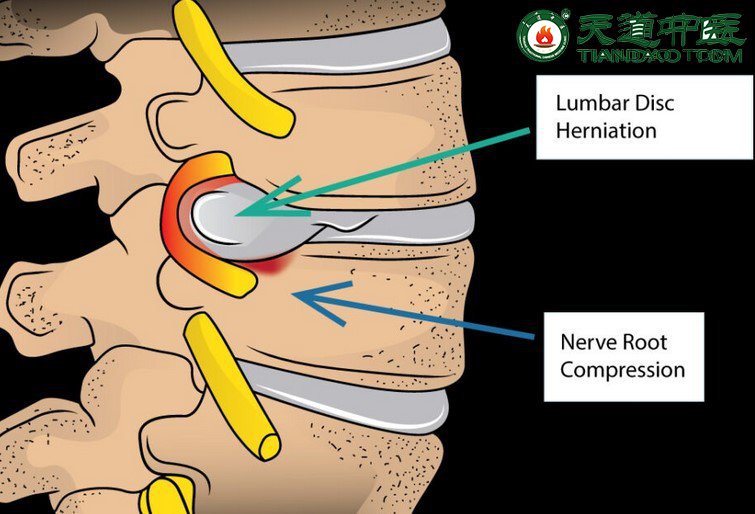
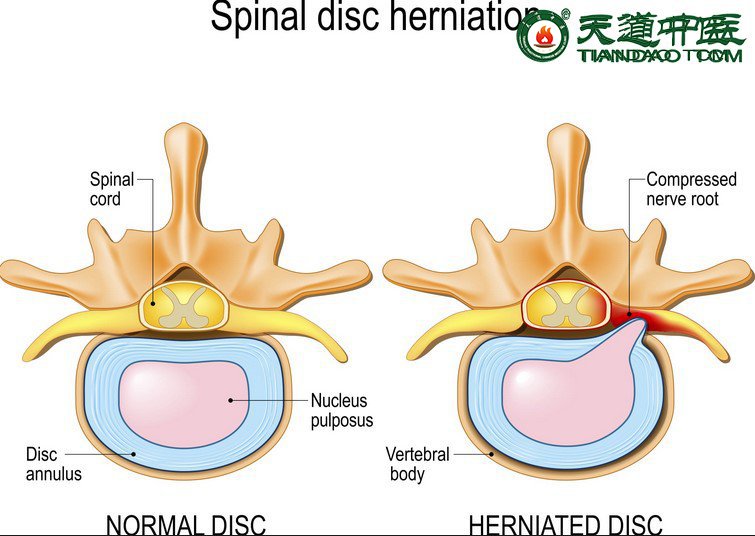
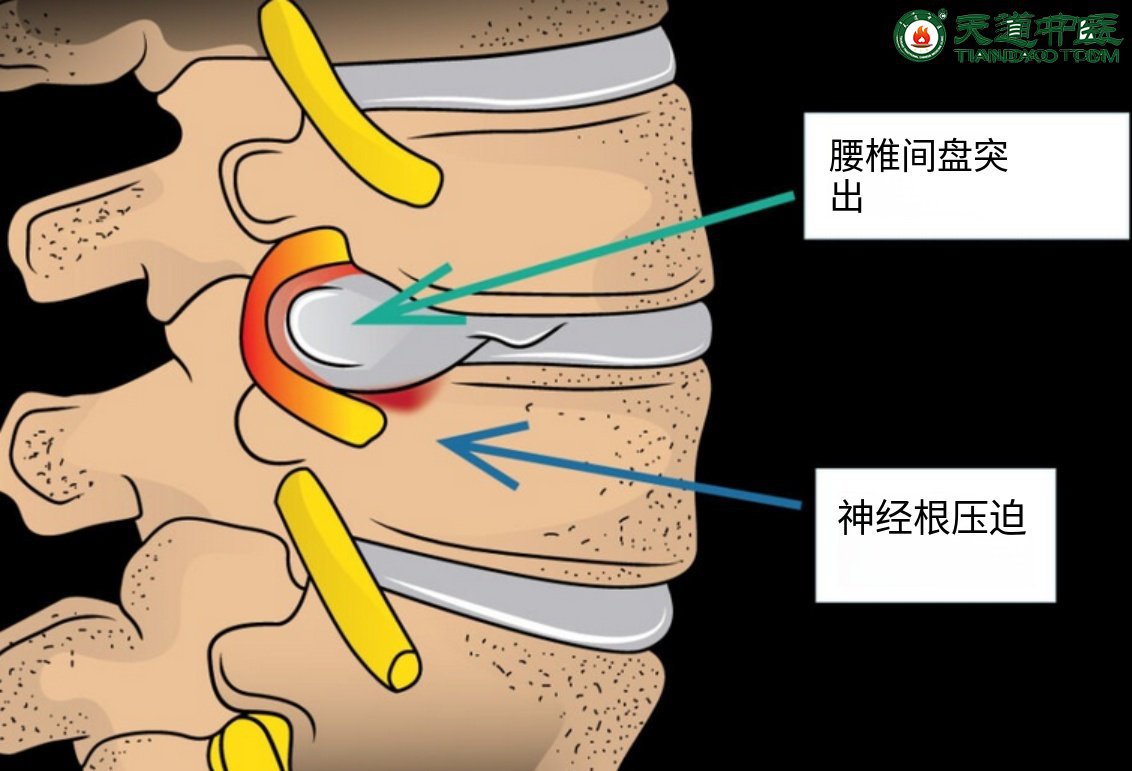
Modern medicine supports this view. Cervical spondylosis – due to degeneration, bone spurs, etc. – can compress the vertebral artery, causing vertebrobasilar insufficiency and affecting the visual center and ocular blood supply. Clinically, patients with vertebral artery-type or sympathetic-type cervical spondylosis have a higher incidence of eye symptoms: eye pain, dryness, vision decline, and blurring.
Cervicogenic visual disturbance – a concept worth understanding
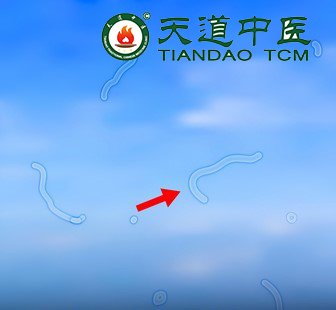
Medical terms for eye symptoms caused by cervical spine pathology include cervicogenic visual disturbance or cervical visual impairment. Typical presentation: cervical discomfort accompanied by blurred vision, eye strain, dryness, light sensitivity, tearing, or even flashes or floaters – yet eye exams reveal no significant organic disease.
Notably, many recurrent eye problems that respond poorly to conventional eye treatment may well have their cause “in the neck, not the eye.” Treating only the eyes would be missing the root. TCM’s approach of “treating the eyes via the neck” reflects this deeper insight.
Holistic regulation – addressing the root cause is key
Based on this understanding, external TCM techniques such as Qiteng Therapy have developed a systematic approach in clinical practice. It does not focus solely on local cervical bones but extends to the upper back’s acupoints. While unblocking the neck meridians, it also regulates organ functions holistically, ensuring that the qi and blood reaching the eyes are not only “unblocked” but also “sufficient.”
Through sustained warmth to open meridian pathways, herbal penetration to resolve deep stagnation, and activation of the body’s self-healing ability – this three-step mechanism embodies TCM’s distinguishing features: “treating internal diseases externally, treating upper body ailments via the lower body, and the holistic perspective.”
Daily care – prevention is the best long-term strategy
Beyond treatment, daily self-care is equally important. Consider these suggestions:
Maintain good posture.
Avoid prolonged looking down at phones or working at a desk. Take breaks to stand up, move, look up, and gently turn your neck to let it relax.
Strengthen your neck.
Under professional guidance, do appropriate neck muscle stretching and strengthening exercises to support cervical stability.
Listen to your body’s signals.
If you experience unexplained eye discomfort along with neck soreness, stiffness, or dizziness, pay attention to your cervical spine health.
Get a diagnosis before treatment.
Any therapy should follow a clear diagnosis. For eye symptoms, first visit an eye clinic to rule out ocular diseases; then, based on medical advice, consider whether a cervical-spine approach may be appropriate.
The eyes are windows to the soul – and the cervical spine is an essential passage connecting the internal organs to those windows. When a window becomes foggy, check whether the passage is clear. Unblocking the neck restores clarity – this is not just a condensed TCM concept but a profound understanding of the body’s interconnectedness. Of course, maintaining healthy habits, avoiding prolonged sedentary and head-down positions, and allowing qi and blood to flow naturally are often more valuable than any external intervention. After all, the best recovery is helping the body return to its natural order.
Disclaimer:
This content is a summary of clinical experience and observations from TianDao Traditional Chinese Medicine over many years. It is intended for patient education, public awareness, and scientific exchange. It does not constitute a guarantee of cure, safety, or efficacy for any condition, nor is it a promotional promise.
Qiteng Therapy’s principles and scope
 中国·青岛·东海中路30号3F(银海大世界院内)
  全国咨询服务热线:0532-8593-1919
  天道中医公众号
 天道中医微信